
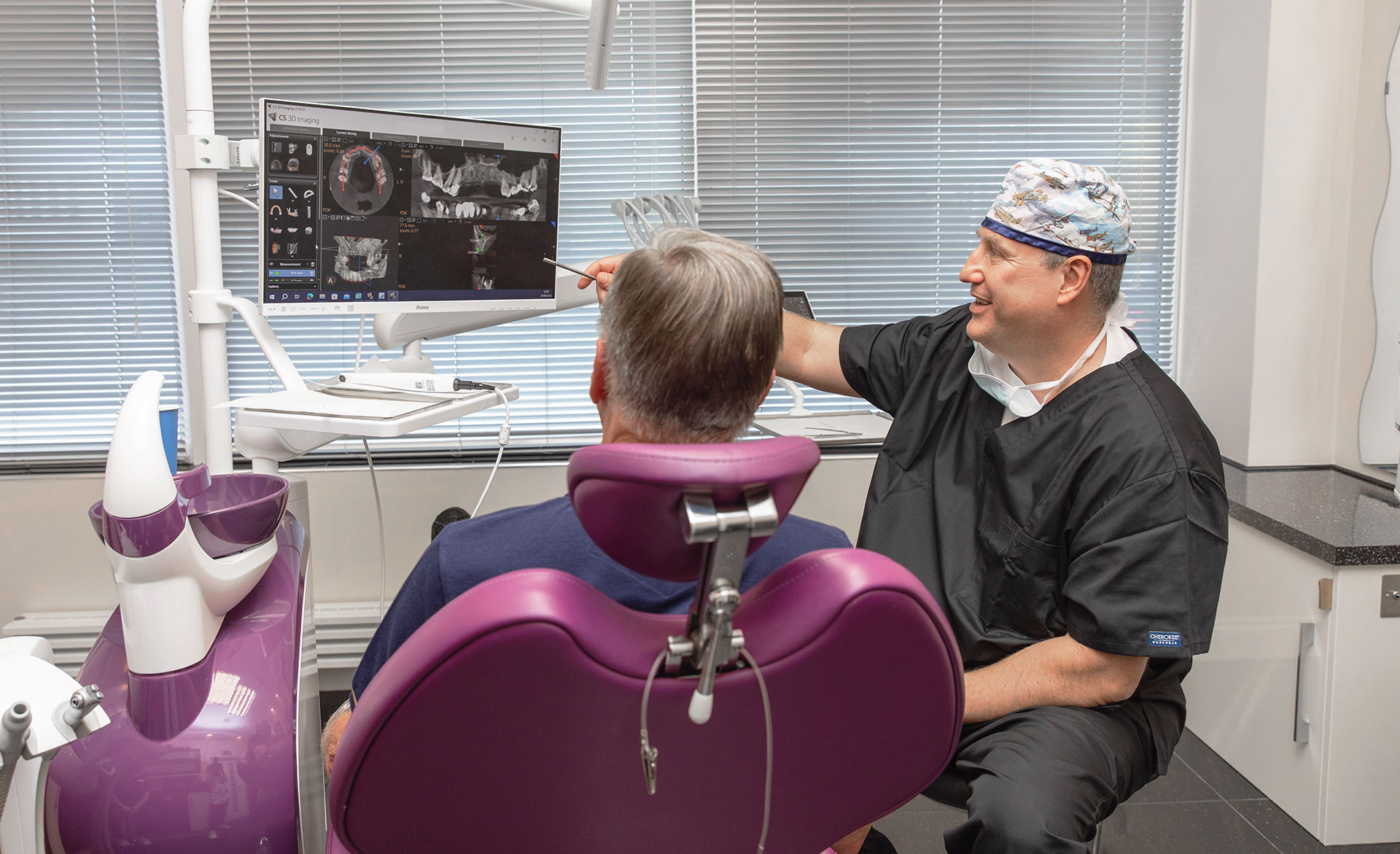

Helping you feel at ease
during dental treatment
Dental anxiety is common, with some people so worried about visiting the dentist that they avoid attending regular appointments or having vital dental treatment. You may be worried about potential pain, or have had bad experiences in the past. Whatever your reason, we understand and we can offer sedation with a specialist anaesthesiologist.
What is sedation?
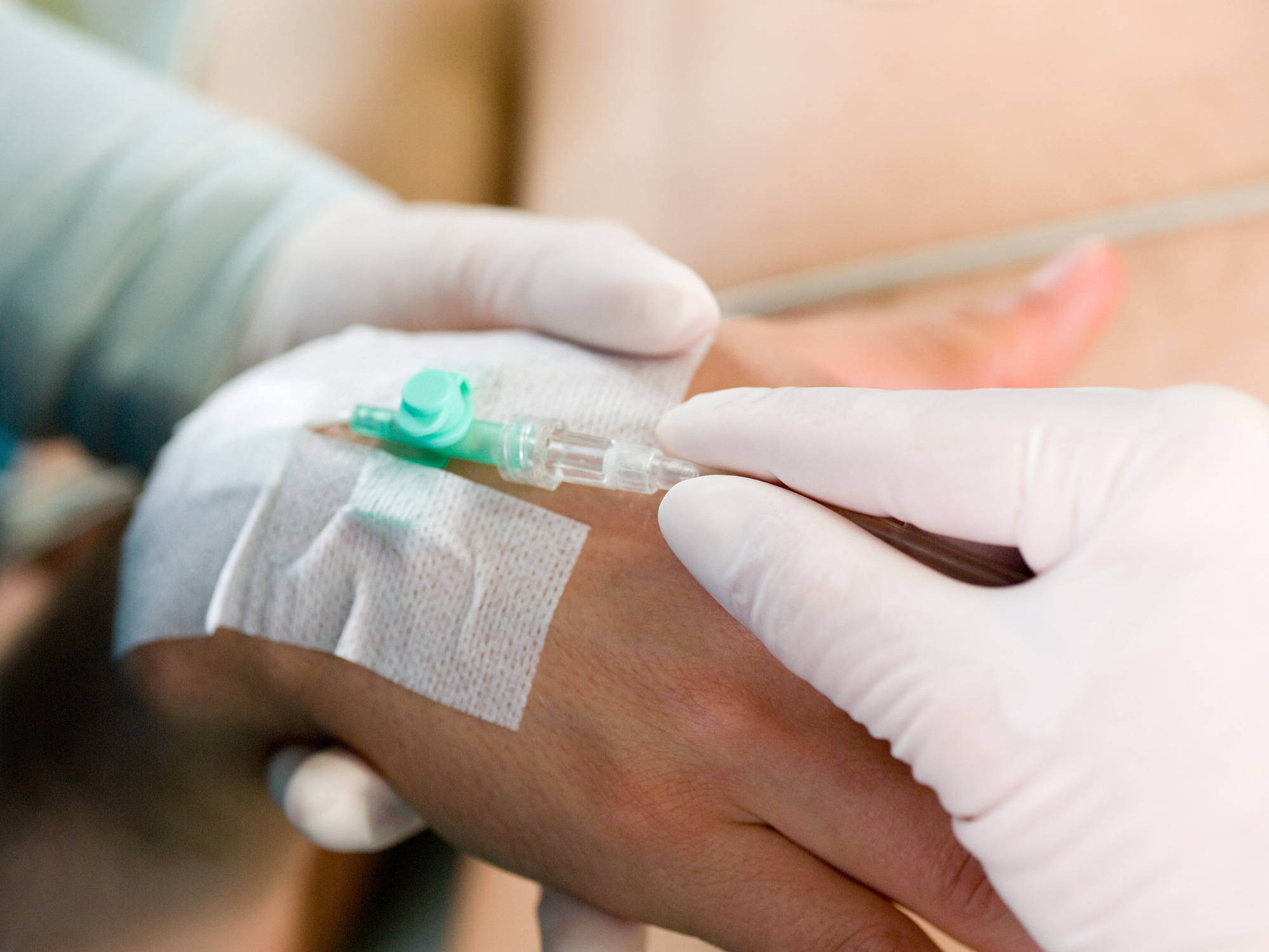
Sedation is a technique to reduce your anxiety and keep you in a sleep-like-state during your dental treatment. It is not a general anaesthetic, so you will not be unconscious, but you may fall asleep as you become more relaxed. A small plastic cannula is placed in the back of your hand and a combination of two medicines gives good control of how sedated you are.
Find out more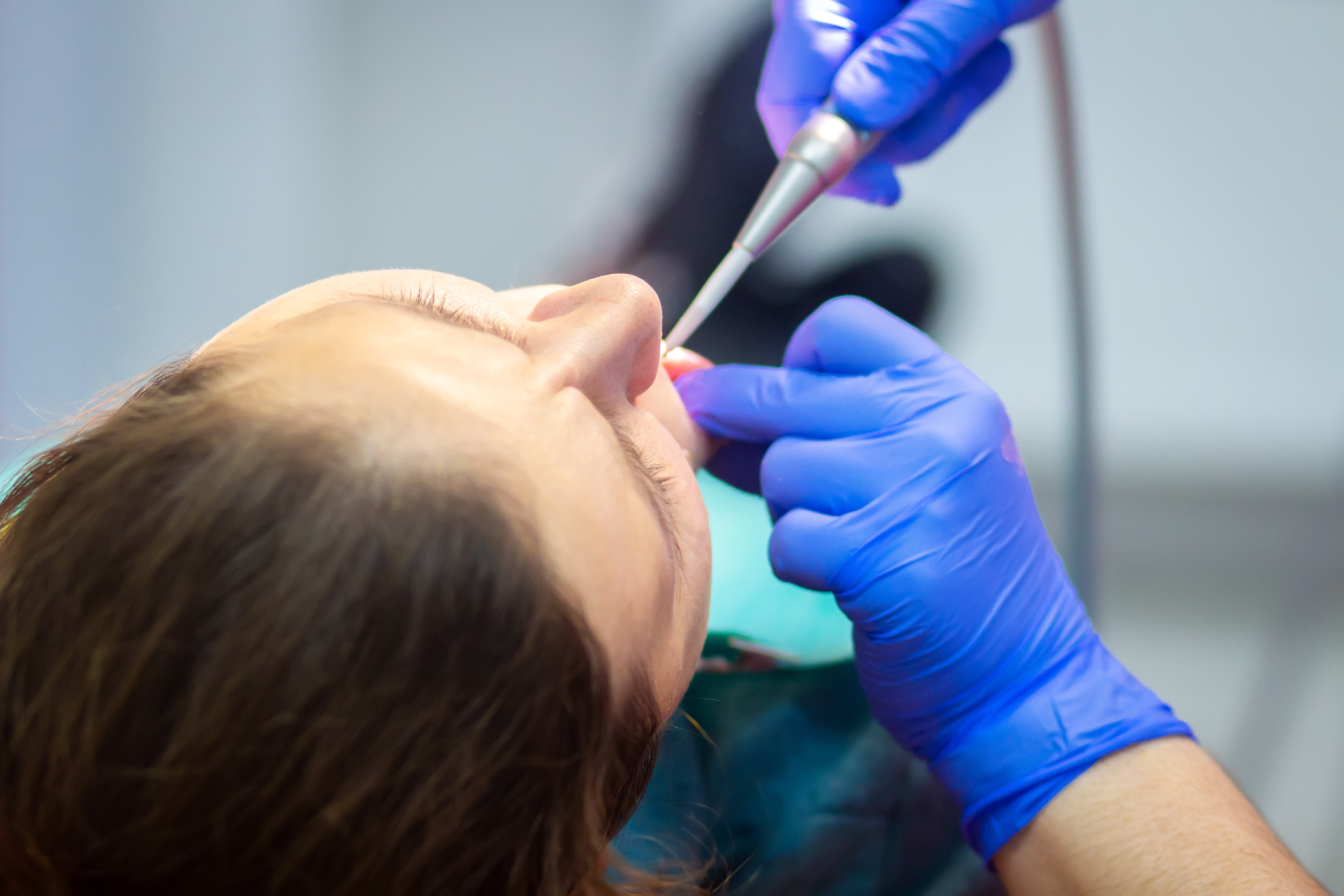
What happens when I have sedation?
Your medical history will be rechecked. A plastic cannula will be placed in the back of your hand. The sedative medicines are given through this cannula. You will begin to feel more relaxed and sleepy. Once you are adequately sedated, the procedure will begin. Your anaesthetist will maintain an adequate level of sedation throughout your treatment.


Why choose to have sedation?
- Makes you feel completely relaxed and anxiety-free
- Rapid onset of the calming effects
- Level of sedation tailored to suit your needs
- Can help you forget the treatment process
- Allows you to remain conscious and communicate with the dentist
Post sedation guidance
- You should go home from the surgery accompanied by an adult.
- You should rest for 2 hours after the end of the sedation.
- You must not drive a motorised vehicle until the following day.
- You must not operate potentially dangerous equipment until the following day.
- You must not make any important decisions until the following day.
- You should be cautious in using social media until the following day
- You may not remember much or any of the procedure. This is normal.
- Some patients develop a bruise on the back of the hand where the sedation drugs were given.
- This normally settles within a couple of days.
- Please take medications to reduce pain as directed. Please take prescription medications as normal.
- You may resume your diet, as suggested by your dentist. Please do not consume alcohol for 2 hours after the end of the procedure.
Frequently asked questions
-
General anaesthetics have not been permitted in dental practices since the 1990s. Sedation works very well for dental patients.
-
A Consultant Anaesthetist will administer your sedation with many years’ specialist training in all forms of sedation. Your anaesthetist will remain with you throughout.
-
You are encouraged to drink before your appointment. However caffeine containing drinks should be avoided. Ideally only eat a light meal during the six hours preceding your sedation.
-
If you are concerned about pain, a local anaesthetic cream can be applied to the back of your hand 20 minutes prior to the cannula insertion.
-
You will feel a little drowsy for a few hours. You must not drive or make any important decisions until the following day. An adult, who will be responsible for you, must accompany you home.
-
The method which we will use to sedate you is a very safe procedure. If you become too sedated, your anaesthetist can reverse the sedative medicine. Allergic reactions can happen with any medicines but the sedatives we use are very safe. If you have any questions about the sedation, please ask us. We are there to reduce your anxiety and ensure your wellbeing.
If you have concerns about your recovery from sedation, please speak to our dental team.